


EV Basics: Your Guide to Charging an Electric Vehicle
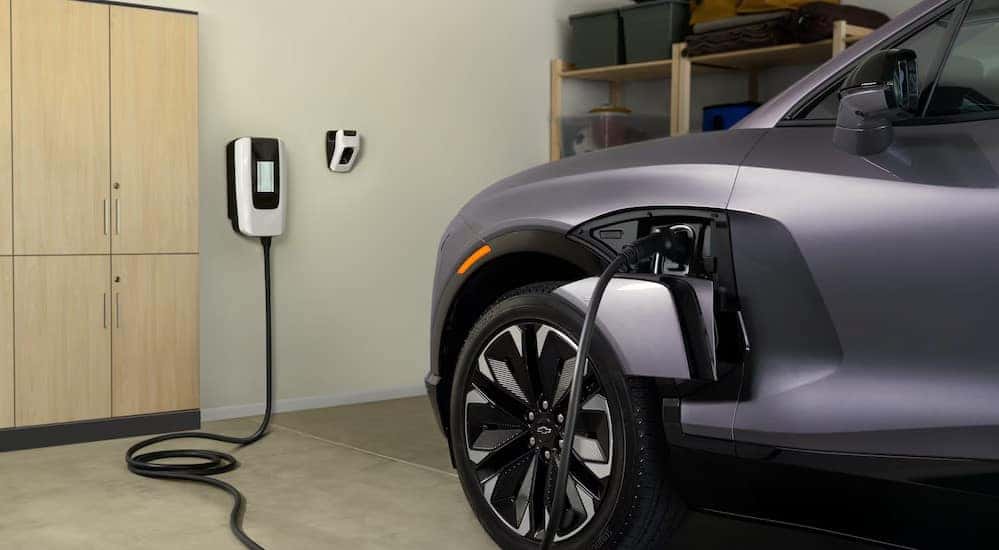
Electric vehicles are transforming the automotive landscape, offering eco-friendly, cost-efficient, and high-performance driving options that are hard to ignore. At Parks Chevrolet Richmond, we’re proud to showcase a diverse lineup of Chevrolet EVs for sale, including the well-known Bolt EV, the sleek and sophisticated Blazer EV, the best-selling Equinox EV, and the legendary Silverado EV. These vehicles combine cutting-edge technologies with the reliability Chevrolet is known for, adding an electrified twist that guarantees more excitement behind the wheel.
As your EV destination, we’re thrilled to kickstart your search for the perfect EV. Whether you’re new to electric vehicles or a seasoned enthusiast, understanding the basics of EVs, especially charging types, levels, and plug compatibility, is essential to making an informed purchase. Let’s dive in with a closer look at these components and what you can expect in Chevy’s EV lineup.
Why Choose an EV?
Understanding the basics of EVs starts by looking at the many benefits of owning an electric vehicle. The most obvious benefit is reducing your carbon footprint and driving straight past every gas station on your route. By replacing the traditional internal combustion engine with an electric motor and battery, EVs run strictly on electricity and produce zero tailpipe emissions.
Engaging to Drive
Early electric vehicles weren’t renowned for their driving characteristics, as these models were designed primarily for efficiency. Fortunately, the landscape has changed as Chevrolet defies expectations of how an EV should perform. Models like the Blazer EV and Equinox EV are built on GM’s revolutionary Ultium Platform, a modular and flexible design that offers outstanding versatility. As a result, Chevrolet’s EV models offer a diverse range of performance, range, and capabilities. More importantly, the steady stream of on-demand power makes Chevrolet’s EVs engaging, efficient, capable, and fun to drive.
Low Ownership Costs
As you venture into the realm of electric vehicles, you’ll likely find more money in your wallet. Chevrolet’s EV lineup is incredibly diverse, with the automaker fulfilling its promise to build automobiles for every purse and purpose. Every model is packed with value, which you may be able to extend with state and federal tax incentives.
The perks don’t end there. Electric vehicles don’t have a traditional engine, meaning they have fewer moving parts. The straightforward configuration eliminates the need for routine services, such as oil changes or spark plug replacements. Likewise, you’re not spending money filling up the tank, but saving more by recharging your Chevy EV at home.
Let’s Talk Charging: Levels and Connectors
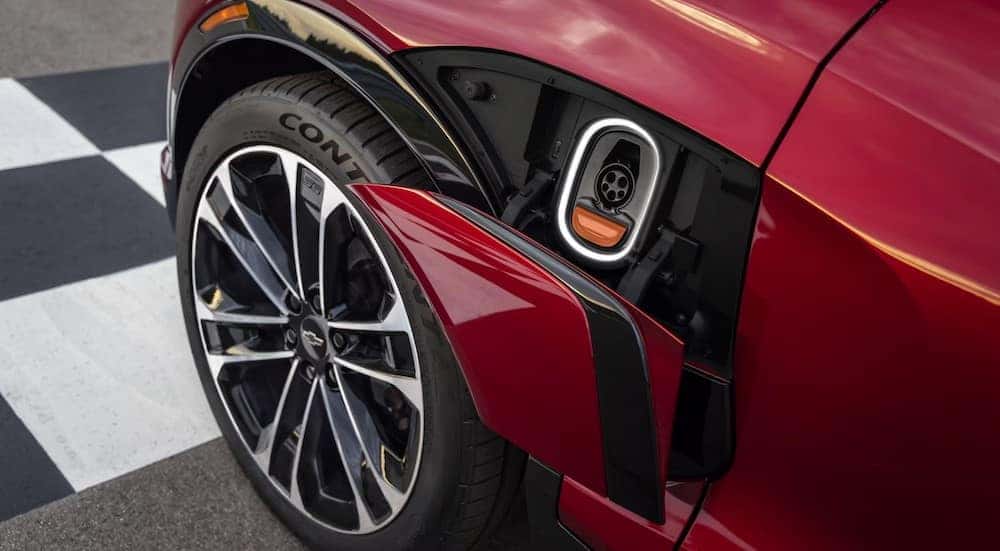
Charging is a cornerstone of EV ownership and can be overwhelming for those new to electric vehicles. As you shop for an EV, you’ll encounter what feels like a new language meant for another realm (we’re looking at you, SAE J1772 connector). Chevrolet makes recharging seamless by offering versatile options that fit every need. Here’s a closer look at those options and what you’ll find in Chevrolet’s EV lineup.
Level 1 Charging: The 120-Volt Trickle
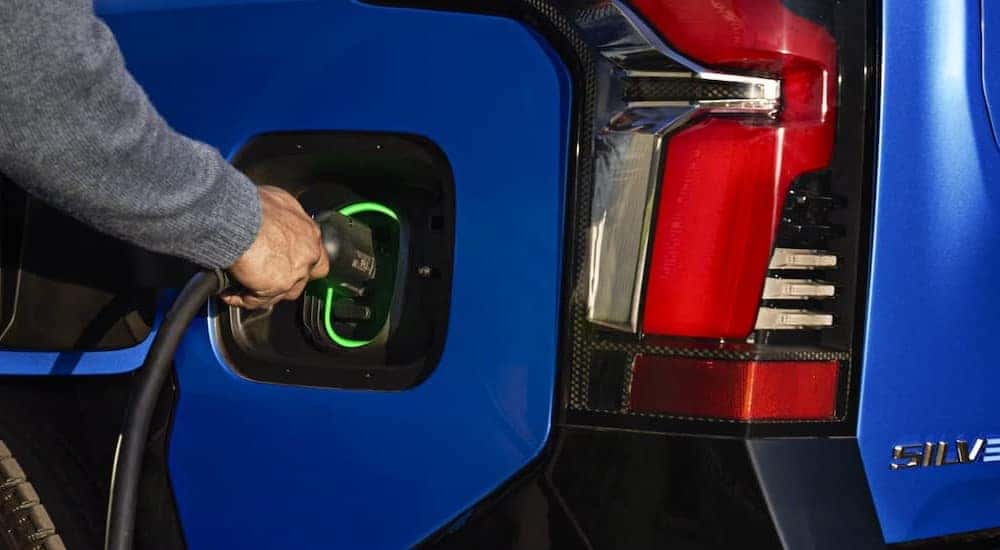
Every Chevrolet EV, whether it’s the Bolt EV or the Silverado EV, offers Level 1 charging using a standard 120-volt household outlet, the same outlet powering your coffee maker, toaster, and television. Level 1 charging is the most straightforward and most accessible charging method, as it doesn’t require any special equipment beyond the AC charging cord that Chevrolet includes with its EVs.
However, Level 1 charging is often referred to as “trickle charging” because it’s slow and offers a “trickle” of energy to replenish the battery. For example, you can use a Level 1 charger to top off your Equinox EV after a short drive, with the 120-volt trickle adding anywhere from one to four miles to the range for every hour it’s plugged in. For drivers with shorter commutes or those who spend little time on the road, Level 1 charging is a suitable and practical option.
Level 2 Charging: The Faster 240-Volt Charge
Level 2 charging is more efficient because it utilizes a 240-volt outlet, similar to the one powering your dryer or refrigerator. The higher voltage guarantees faster charging, with Level 2 capable of recharging an EV’s battery overnight. However, there are different types of Level 2 charging, such as home, public, and bidirectional.
Due to their efficiency, Level 2 chargers are available at every public charging station. Chevrolet ensures its EVs are compatible by offering its Dual Level Charger that works with Level 1 and Level 2 charging. Using the 2024 Silverado EV as an example, the Dual Level Charger adds an estimated 12 miles of range every hour.
You can opt to install a Level 2 home charging station that utilizes a NEMA 14-50 outlet and 40-amp breaker. Since it’s hardwired to your home, the setup offers a dedicated power source for your EV and is usually more efficient. The GM PowerUp 2 charger only works with a 240-volt outlet and, using the 2024 Silverado EV as an example, can add an estimated 19 miles of range to the battery every hour.
Getting the most from a Level 2 home charger is possible when you opt for the GM Energy PowerShift. The GM PowerUp 2 charger replenishes the battery in a one-way delivery of power. GM Energy PowerShift also offers bidirectional charging, allowing your EV to power your home during an outage. The setup provides a significant increase in charging capability, with the 2024 Silverado EV adding an estimated 32 miles to its range every hour.
Level 3 Charging: The DC On-the-Go Power
DC Fast Charging is the fastest way to replenish your Chevrolet EV’s battery, but it’s not recommended for daily use. As a result, you’ll find that DC Fast Charging is typically limited to public charging networks, where you can significantly replenish the battery in minutes. It’s the perfect on-the-go solution when traveling long distances or needing a quick recharge to get you from Point A to Point B. For example, a DC Fast Charger can add anywhere from 15 to 100 miles to a Chevrolet EV in 30 minutes, which gives you enough time to grab lunch or enjoy a cup of coffee before climbing back behind the wheel.
Chevrolet EVs use a CCS plug for DC Fast Charging, which is compatible across Chevrolet’s public charging network. However, you can extend your recharging options by investing in a NACS DC adapter, the North American Charging Standard, which makes your Chevrolet EV compatible with every DC Fast Charger, including Tesla’s Supercharger network.
Getting the Most from Your EV with Chevrolet
Chevrolet’s lineup of electric vehicles promises something for everyone, whether it’s time to upgrade your commute with an agile model like the Bolt EV or you’re ready to test the Silverado EV’s work ethic. There’s an EV for every driver under the Chevrolet marque, with EV ownership and recharging made simple, affordable, and hassle-free.
As your Chevrolet destination, we’re thrilled to help you find the perfect Chevrolet EV that fits your needs and complements your life. You don’t have to navigate a new realm of EV ownership alone, but can rely on our expertise to help you take the next step into building a future with zero emissions. It’s an exciting endeavor that guarantees you have a place in the Chevrolet legacy and our dealership family.
0 comment(s) so far on EV Basics: Your Guide to Charging an Electric Vehicle